1. Walk the grounds
For outdoor spaces, the crew walks fence lines, planters, corners and bushes where needles collect.
De Graff, OH · Logan County
Do not pick it up. If you see a needle, lancet or syringe in De Graff, call (877) 812-4220 and let a cleanup team handle the sharps removal, sealed containers and disposal.
If anyone is in danger, call 911 first. For a suicide crisis, call or text 988.
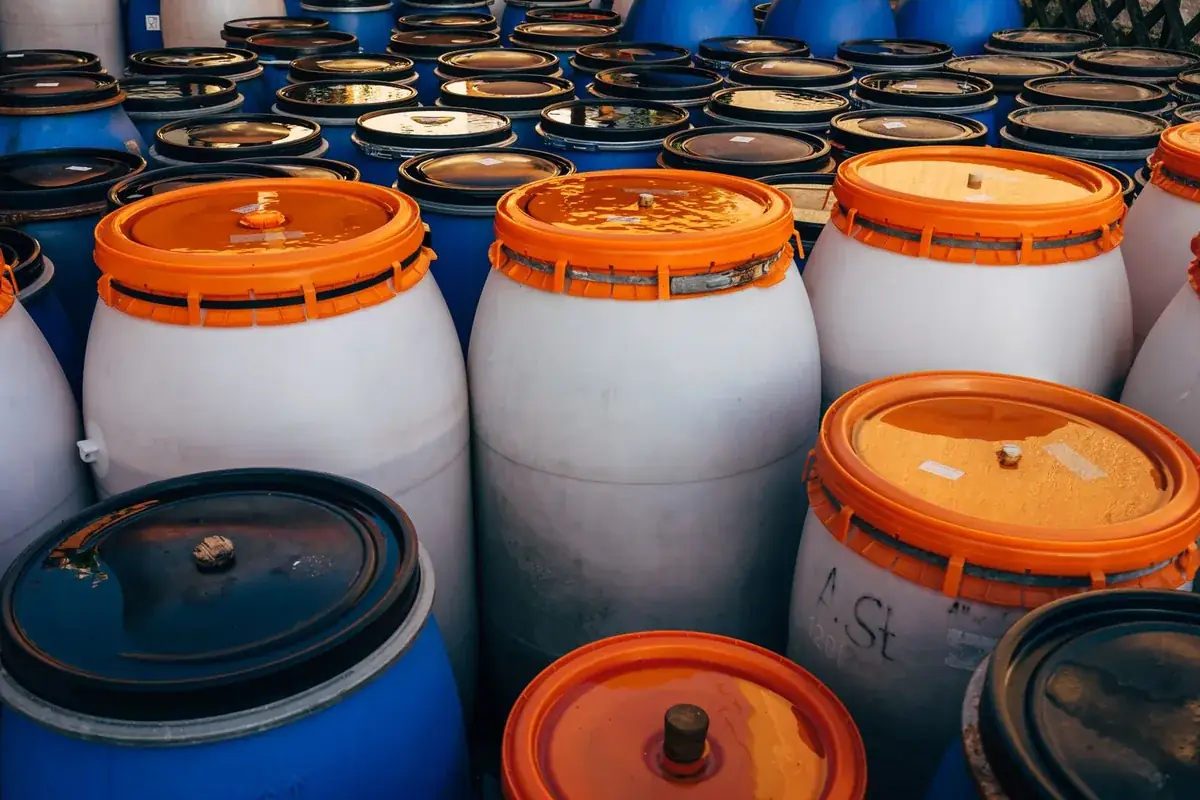
Sharps removal for a property owner means getting a vacant lot, rental or business cleared of discarded needles so people can use the space again without worry.
Landlords, property managers, families and businesses in De Graff and Logan County can get needle and sharps cleanup with help from De Graff Biohazard Cleanup Help. You get each step explained and the area left cleaned and checked.
Vacant buildings make up about 18% of housing in Logan County, and empty houses and lots are common places for discarded needles to turn up. A stick, cut or splash should be checked by a doctor without delay. Mary Rutan Hospital in Bellefontaine serves people in and around De Graff.
What needle & sharps cleanup covers:
For outdoor spaces, the crew walks fence lines, planters, corners and bushes where needles collect.
The whole property is searched, section by section, until the crew is confident every sharp is found.
Containers are sealed, loaded and taken away. They leave the property as one load.
The crew removes the containers, double-checks the space and answers questions before leaving.
The cost of needle & sharps cleanup in De Graff, OH depends on the amount of material, how it is packed and how it is hauled.
Hidden spots slow the work. Cluttered rooms, dense brush and storage areas take longer to search than clear, open ground.
| Type of job | Typical range |
|---|
Estimates only, not a quote. Sources: . Price drivers include number of items, where they are found, whether a sweep of a large area is needed, waste disposal. Call (877) 812-4220 to talk through the job.
A small yard or single room can be quick, while a building or large lot takes longer. Clutter, hidden spots and the amount of sharps affect the time. A cleanup team can give a realistic idea once it hears the details.
The crew searches the whole area with protective gear and tools. It collects each sharp into a puncture-resistant container, cleans surfaces where sharps lay, and hauls the sealed containers away. A final walk checks that nothing was missed, and the team can provide a record.
It is a rigid, puncture-resistant box with a locking lid, made to hold needles, syringes, lancets and blades. Cleanup teams use them to seal sharps for transport. Containers should not be overfilled or opened again once locked.
The price depends on the size of the area, the number of sharps and access. A short sweep costs less than a full building. A cleanup team can give a real price after hearing the details, and it should explain what is included before work begins.
Safer options exist. Many cities and health departments have programs for found needles and may give instructions or send someone. If you are unsure, do not touch it. Leaving a needle in place and keeping others away is safer than risking a stick.
The crew cleans and disinfects surfaces where sharps lay, bags soiled items for disposal and checks the area again. If odor or residue is present, the team can address it or suggest the next step.
Stay back, keep others away and let a cleanup team handle the sharps.
Call (877) 812-4220